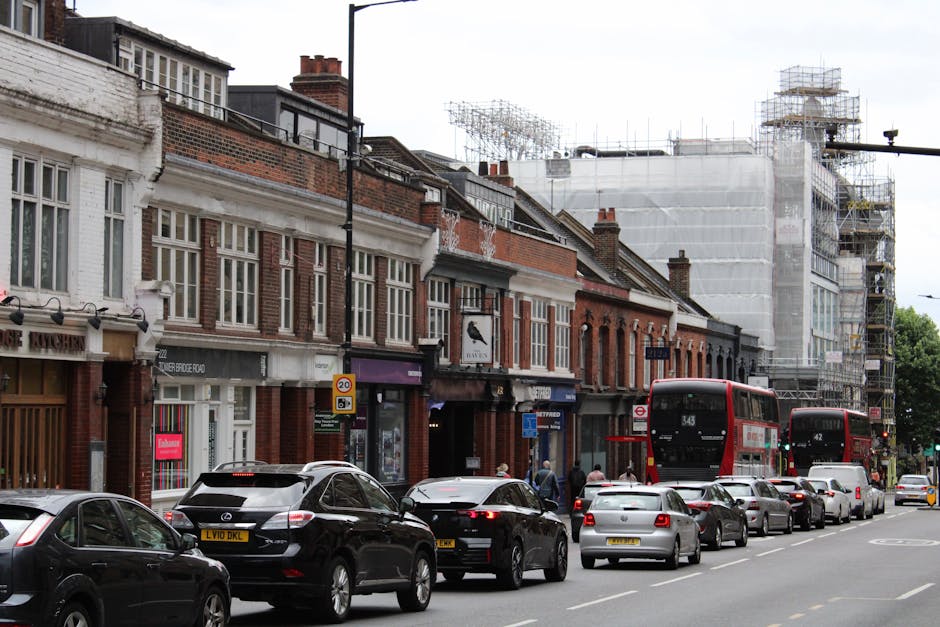
Removals in N1 guide for Angel Upper Street moves
If you are planning a move around Angel and Upper Street, you already know this part of N1 can be brilliant and a bit awkward at the same time. Busy roads, tight parking, flats above shops, shared entrances, lift queues, late deliveries, all of it can shape how smoothly moving day goes. This guide to removals in N1 for Angel Upper Street moves is here to make the whole process feel less like a scramble and more like a plan you can actually follow.
Whether you are moving a flat near Angel Station, shifting a family home off Upper Street, or relocating a small office nearby, the big wins usually come from simple things: timing, access, packing, and choosing the right moving support. Let's face it, the best move is rarely the fanciest one. It is the one that arrives on time, fits the street, and keeps your stress level in check.
Below you will find a practical, locally aware walkthrough covering how moves in this part of Islington tend to work, what to watch out for, how to compare options, and how to avoid the frustrating little problems that eat up time on the day. If you want a broader overview of available support, the removal services in Islington page is a useful starting point, and for a quick look at local area knowledge you can also explore removals across Islington.
Why Removals in N1 guide for Angel Upper Street moves Matters
Angel and Upper Street are lively, central, and convenient, but they are not the kind of places where you can just pull up outside for an hour and unload in peace. Streets can be narrow. Parking can disappear quickly. A building might have a loading bay that needs advance booking, or a concierge who wants notice before allowing access. Even a short local move can become fiddly if you do not plan around the realities of the neighbourhood.
This matters because moving stress usually comes from friction, not distance. A two-bedroom flat moving from one part of N1 to another can feel harder than a longer move to a less busy postcode. Why? Because every small delay compounds. If the van cannot stop, if boxes are not labelled, if the lift is in use, or if the sofa does not fit through the stair turn, the day starts slipping away. One snag leads to another. It happens more often than people expect.
That is why a local-first approach works so well. A removal team used to Angel Upper Street moves will usually think about access, building rules, parking restrictions, and road timing before the first box is lifted. That kind of planning is quietly valuable. It is not glamorous. It just works.
For readers comparing broader moving support, the overview on house removals in Islington can help frame the service you actually need, especially if you are moving between rented flats, family homes, or shared accommodation.
How Removals in N1 guide for Angel Upper Street moves Works
A good move in N1 usually starts before moving day, sometimes several days before. The process is less about brute force and more about sequencing. First comes the assessment: what is being moved, from where, to where, and under what access conditions. Then comes the vehicle choice, timing, packing approach, and route planning. After that, the actual moving day becomes much more predictable.
In practical terms, a standard local removal around Angel Upper Street often includes the following stages:
- Pre-move review - checking property type, floor level, lift access, fragile items, and any parking limits.
- Quote and scope - confirming whether you need full packing, part packing, disassembly, storage, or just transport.
- Preparation - sorting items, labelling boxes, protecting furniture, and clearing walkways.
- Loading - managing bulky pieces first or last depending on the building layout and van access.
- Transport - moving through local traffic with enough buffer for delays.
- Delivery and placement - putting items in the right rooms so you are not staring at a maze of boxes at 9 p.m.
Some moves are simple, others need a more tailored setup. For example, a compact flat move off Upper Street may suit a smaller vehicle or a man with a van in Islington service, especially where access is tight and the volume is moderate. On the other hand, a larger family move or one involving awkward furniture may be better handled by a fuller removal team with a larger vehicle and more hands on site.
Truth be told, the right method is usually the one that matches the property rather than the postcode.
Key Benefits and Practical Advantages
When a removal is planned properly, the benefits show up in surprisingly ordinary ways. Less waiting around. Fewer damaged items. Better use of your time. Fewer arguments about where the kettle went. It sounds small until you are living it.
- Better control over timing - local route knowledge helps avoid bad windows and unnecessary delays.
- Reduced handling risk - experienced movers know how to move through stairwells, tight hallways, and awkward turns.
- Less stress on the day - when packing, access, and vehicle choice are sorted early, you are not improvising under pressure.
- More suitable vehicle planning - the right van size can save multiple trips and reduce disruption.
- Safer furniture handling - especially for items like wardrobes, mirrors, or specialist pieces.
There is also a financial angle. A well-scoped move is often cheaper than a poorly scoped one because you avoid delays, extra labour, repeat journeys, and last-minute add-ons. If you are comparing local options, the pricing and quotes page is a sensible place to understand how estimates are usually structured. The more clearly you describe your move, the more useful the quote will be. Simple, but easy to overlook.
For some readers, the big benefit is not cost but calm. You wake up on moving day knowing what is happening and when. That alone can be worth a lot.
Who This Is For and When It Makes Sense
This guide is useful for anyone moving in or around Angel and Upper Street, but it is especially relevant if your move has one or more of these features:
- You live in a flat with stairs, a lift, or a narrow communal entrance.
- Your property sits on or near a busy road with limited parking.
- You are moving furniture that is heavy, fragile, or awkwardly shaped.
- You need same-day support or a short-notice move.
- You are moving between rented homes and need speed as well as care.
- You are relocating an office, studio, or small business premises nearby.
It also makes sense for students, first-time renters, downsizers, and people who have simply accumulated more stuff than they expected. We have all been there. A few boxes become a wardrobe. The wardrobe becomes "probably too much for one van." Then suddenly you are looking at the hallway thinking, hmm, this is going to be a thing.
If your move is more compact, the flat removals in Islington page may be more aligned with what you need. If it is a larger, more structured relocation, then office removals in Islington may be a better fit for the planning style and pace required.
Step-by-Step Guidance
Here is a practical way to handle an Angel Upper Street move without letting it spiral into chaos. Nothing fancy. Just a method that tends to work.
1. Start with access, not boxes
Before packing too much, check the access at both ends. Ask yourself: where can the van stop, how long can it stay there, and is there a lift or just stairs? Are there any restrictions from the building? If you do this first, the rest of the plan becomes much easier.
2. Decide what actually needs moving
It is common to discover that half the items you thought were essential are not. Separate keep, donate, recycle, and dispose piles early. This reduces volume and may lower the cost. It also avoids taking clutter to a new place, which is a very human mistake. New home, same old boxes. Not ideal.
3. Choose the right service level
Some moves only need a van and a careful pair of hands. Others need packing, dismantling, reassembly, and a larger team. A service like man and van in Islington can be ideal for lighter, local moves, while a fuller service may be better if the property has fragile furniture or a lot of contents.
4. Pack by room and priority
Use a simple room-based system: kitchen, bedroom, lounge, bathroom, office. Label the top and one side of each box. Mark urgent items separately. Keep documents, chargers, keys, medication, and a change of clothes in one small bag you carry yourself.
5. Protect the awkward items
Large mirrors, glass tabletops, artwork, and flat-pack pieces need extra care. If possible, use proper wrapping and corner protection. For specialist items, including pianos or high-value furniture, it is sensible to book a service that explicitly handles them. The piano removals in Islington page is a good example of the kind of tailored support such items may require.
6. Confirm the day plan
On the day before the move, check arrival time, contact details, parking plans, and any access codes. Do not assume everyone has the same notes. A quick confirmation call can save an hour of confusion. Sometimes more.
7. Do a final sweep before departure
Open cupboards, look behind doors, check the loft hatch if you have one, and make sure meter readings, keys, and important paperwork are sorted. It is the boring final pass that prevents the annoying phone call later.
Expert Tips for Better Results
There are a few things that experienced movers tend to do almost automatically, and they make a real difference in N1.
- Build in a time buffer - Upper Street can be busy, so do not set your entire move on a knife-edge schedule.
- Use proper box sizes - overfilled large boxes are miserable to carry and much more likely to fail at the worst moment.
- Keep the corridor clear - a clear walkway speeds up loading and reduces trip hazards.
- Take photos before dismantling - especially for beds, shelving, and cable setups.
- Save energy for the unpack - the real work often starts after the van leaves.
One practical local tip: if your move involves a building on a very active stretch near Upper Street, try to avoid the peak congestion windows where possible. Early starts tend to be kinder. Morning air, quieter roads, less faff. Not every move can be scheduled that neatly, but if you can, it helps.
If you want to keep costs under control without cutting corners, compare the service scope rather than just the headline figure. A lower quote that excludes packing support, waiting time, or furniture handling may look good at first and then sting later. The competitive prices page is useful here because it frames value in a more realistic way than a simple race to the bottom.
And yes, sometimes the best tip is just this: label the box with the kettle in it. You will thank yourself at 8 p.m.
Common Mistakes to Avoid
Most moving problems are preventable. The annoying part is that they are usually the obvious ones.
- Underestimating the volume - a few extra bags and one "small" cabinet can change the whole vehicle plan.
- Ignoring building rules - some blocks require booking lifts, notifying reception, or keeping specific access times.
- Poor labelling - the box system matters more than people think, especially during unpacking.
- Leaving parking to chance - in busy parts of N1, that is usually a mistake.
- Booking too late - especially at month-end or on popular moving days.
- Forgetting insurance and item care - you want clarity on how belongings are handled, transported, and covered.
Another common one is trying to make the move do the decluttering for you. Sometimes that works. Often it does not. If you have bulky items you no longer want, sort them before moving day or arrange a separate disposal plan. It is cleaner, quicker, and frankly less stressful.
For readers who care about post-move sustainability, it may be worth looking at the company's recycling and sustainability approach so you understand how unwanted items are handled.
Tools, Resources and Recommendations
You do not need a huge toolkit to move well, but the right basics make the whole experience easier.
- Strong boxes and tape - ordinary boxes are fine until they are not.
- Bubble wrap or paper - useful for glass, ceramics, and fragile corners.
- Blankets or furniture covers - especially if you have upholstered items or polished wood.
- Marker pens and labels - simple, effective, essential.
- Furniture tools - hex keys, screwdrivers, bags for fixings, and maybe a little patience.
- Phone notes - for meter readings, access codes, and contact names.
On the service side, it helps to know what kind of support fits your move. A smaller load may fit a removal van in Islington arrangement, while more involved moves may need a broader solution. If you are comparing formats, the services overview page can help you see where each option sits in the bigger picture.
If you are moving a business or handling something more specialised, the removal companies in Islington page can help you think about service expectations in a more structured way.
Law, Compliance, Standards, or Best Practice
Moving home is not usually a heavily regulated process from the customer side, but there are still important best-practice areas to keep in mind. In London, access restrictions, parking permissions, building rules, and safety expectations can have a real impact on the success of a move. That is especially true in dense areas like N1.
From a practical perspective, good providers should be clear about:
- how they handle goods in transit and furniture protection;
- what insurance arrangements apply;
- how quotes are formed and what may change the price;
- how access issues, waiting time, or difficult carries are managed;
- what their health and safety approach looks like for staff and customers.
If you are comparing movers, ask directly about these points rather than assuming they are covered. A transparent company will usually answer in plain English. That is a good sign. The same applies to payment clarity. If terms, deposits, or card processing feel fuzzy, pause and check. The payment and security page is helpful if you want to understand how a trustworthy booking process should feel.
For those who want to understand the standards behind a professional service, the company's insurance and safety information, plus its health and safety policy, can help you judge whether the operation is properly organised.
There is also a simple courtesy side to compliance. Communicating with neighbours, respecting building access, and not blocking shared spaces all matter. It keeps the move smoother for everyone. Small thing, big difference.
Options, Methods, or Comparison Table
Choosing the right moving method depends on distance, volume, access, and time pressure. Here is a straightforward comparison of common options for Angel Upper Street moves.
| Option | Best for | Pros | Trade-offs |
|---|---|---|---|
| Man and van | Small flat moves, student moves, light local relocations | Flexible, cost-conscious, well suited to short distances | Limited capacity, less suitable for very large or complex moves |
| Full removal service | House moves, multi-room flats, bulky furniture, more fragile loads | More hands, more planning, better for heavier or awkward items | Usually costs more than a basic vehicle-only option |
| Same-day removal | Urgent or short-notice moves | Fast response, convenient when plans change suddenly | Availability can be limited, especially at busy times |
| Specialist item removal | Pianos, antiques, large artwork, delicate equipment | Designed for valuable or awkward items | May require more preparation and tailored handling |
| Storage-supported move | Gap between properties or staged moves | Reduces pressure if completion dates do not align | Needs extra coordination and planning |
If your move is last-minute, the same-day removals in Islington page is worth a look. If you need a stop-gap between homes, a local storage option can be the difference between an orderly move and a pile of panic boxes in the hallway.
Case Study or Real-World Example
Picture a typical move near Upper Street: a one-bedroom flat, third floor, no lift, and the entrance shared with several other residents. The tenant has a sofa, bed frame, desk, dining table, around twenty boxes, and a few delicate items including a lamp and framed prints. Nothing outrageous. Just enough to become awkward if handled badly.
The move goes well when it is planned like this:
- The mover checks access the day before and confirms the loading spot.
- Boxes are labelled by room, with essentials separated out.
- The bed is dismantled in advance.
- The desk legs are wrapped and the prints are flattened safely.
- The vehicle arrives at a quieter time window, avoiding unnecessary waiting.
- Furniture is placed directly into the right rooms at the new address.
That move may still be tiring. Moving is moving. But it becomes manageable, and that is the key. The tenant does not spend the evening searching for utensils or trying to carry a mattress alone up a staircase that suddenly seems to have grown another flight.
This is the pattern we see often in local moves: the better the preparation, the less the day feels like a firefight. Not perfect. Just calmer. Much calmer.
For people planning a property change in the area, the broader local context can also help. If you are settling into the neighbourhood or thinking about long-term plans, you may find these guides useful: what locals say about living in Islington and navigating Islington real estate. They are not moving manuals, but they do give a sense of why this area behaves the way it does.
Practical Checklist
Use this checklist to keep your Angel Upper Street move on track.
- Confirm moving date, arrival time, and contact numbers.
- Check parking or loading restrictions at both properties.
- Ask about lift access, stairs, and any booking requirements.
- Decide whether you need packing help, dismantling, or storage.
- Sort items into keep, donate, recycle, and dispose piles.
- Label every box clearly with room and contents.
- Protect fragile items with proper wrapping.
- Set aside essentials for the first night.
- Take photos of furniture before disassembly if needed.
- Read the quote carefully so you know what is included.
- Keep keys, documents, and meter readings in one safe place.
- Do a final walk-through before the van leaves.
Expert summary: In Angel and Upper Street moves, the biggest gains usually come from planning access early, choosing the right vehicle size, and treating packing as part of the move rather than a separate chore. The move feels easier because the day is easier.
Conclusion
A good move in N1 is not about rushing. It is about reading the streets, the building, and your own timeline well enough to avoid unnecessary friction. If you plan ahead, choose the right support, and stay realistic about access, your Angel Upper Street move can be far less stressful than people expect.
To be fair, most moving disasters are not disasters at all. They are just a chain of small avoidable issues: a bad parking assumption, a missing label, a box packed too heavy, a lift booking forgotten. Sort those out and you are already ahead.
If you are still comparing options, reviewing service scope, or deciding whether a local van, a fuller removals team, or specialist handling is the better fit, take a moment to look at the relevant service pages and ask the practical questions upfront. That little bit of clarity pays you back on moving day.
Get a free quote today and see how much you can save.
Moving does not have to feel like a battle. With the right plan, it can feel like a proper fresh start.
Frequently Asked Questions
What makes Angel Upper Street moves different from other N1 removals?
The main difference is access. Angel and Upper Street often involve busier roads, tighter parking, and more apartments or mixed-use buildings than quieter residential streets. That means timing, parking, and lifting logistics matter more than you might expect.
How far in advance should I book a removal in N1?
As early as you can, especially if you are moving at month-end, on a weekend, or during a busy period. Short-notice help may still be available, but early booking usually gives you better time slots and a smoother plan.
Is a man and van service enough for a flat move near Upper Street?
Sometimes, yes. If you have a modest amount of furniture and boxes, a man and van in Islington setup can be a sensible choice. For larger loads, awkward items, or multiple flights of stairs, a fuller service may be better.
How can I reduce the cost of my move without cutting corners?
Declutter before moving, pack early, label clearly, and give accurate details when requesting a quote. Choosing the right vehicle size and avoiding extra trips can also help. The goal is value, not the cheapest number on paper.
Do I need to arrange parking for the removal van?
In many parts of N1, yes, or at least you should check whether parking is restricted. Even if formal booking is not needed, it helps to know where the van can stop and how long it can stay there. That alone can save a headache.
What should I do with fragile or valuable items?
Pack them with extra protection, label them clearly, and tell the mover in advance. For specialist items like pianos or high-value pieces, book a service designed for that purpose rather than hoping a standard box-and-van setup will do the job.
Can removals help if my move-in and move-out dates do not match?
Yes. Storage can bridge the gap if there is a delay between properties. It is a common and very practical solution when completion dates shift or access is not immediate.
What should be included in a removal quote?
A useful quote should explain what is included: labour, vehicle, mileage, time, packing support, dismantling, and any likely extras. If anything feels vague, ask for clarification before booking. Clear quotes prevent awkward surprises later.
Are my belongings covered during the move?
That depends on the provider and the service terms. Ask about insurance, goods handling, and any exclusions so you understand the level of protection before moving day. It is a simple question and well worth asking.
What if I need to move at short notice?
Short-notice or same-day support may be possible depending on availability. If your plans change suddenly, contact the mover as early as possible and give exact details. The more precise you are, the easier it is to help.
Should I pack everything myself?
Not necessarily. Some people are happy to pack all non-fragile items themselves and leave the tricky stuff to professionals. Others prefer full packing help. It really comes down to time, confidence, and how much you want to carry on the day.
What is the best way to prepare for a move in a busy London street?
Plan access early, keep boxes manageable, confirm timing the day before, and make sure essentials are separated. In a busy area like Angel, the most useful preparation is often the least glamorous one.