Islington Council parking permit rules for removals explained
Posted on 31/07/2026
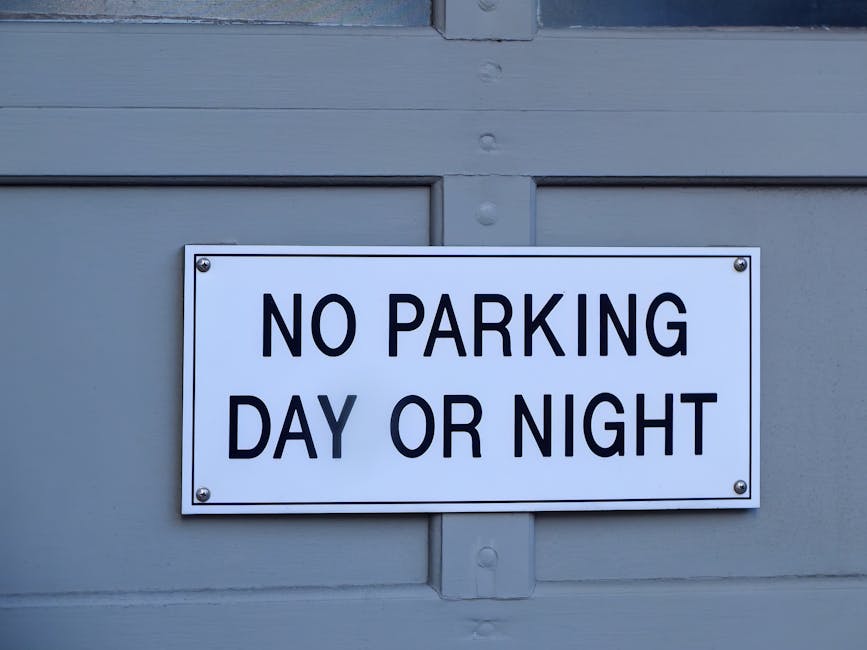
If you are moving in Islington, parking is often the bit that turns a calm moving day into a scramble. A van arrives, the street is tight, neighbours are double-parked, and suddenly you are asking whether you need a bay suspension, a dispensation, or a full permit. This guide on Islington Council parking permit rules for removals explained breaks it down in plain English, so you can plan properly, avoid fines, and keep the move moving.
Truth be told, most removal delays in central London are not caused by the boxes. They are caused by access. If you get the parking side right early, everything else gets easier. You will also find a practical step-by-step process, common mistakes, a comparison of permit options, and a realistic example from a typical Islington street.
Why Islington Council parking permit rules for removals explained Matters
Removal parking in Islington is not just a nice-to-have admin task. It affects whether the van can stop close enough to your door, whether the movers can load safely, and whether the whole job finishes on time. On a narrow street, even a few extra metres of carrying distance can slow things down more than people expect. A lot more, actually.
That matters because removals are already a chain of small pressure points: lift access, stairs, awkward furniture, weather, traffic, and timing. Parking sits right at the front of that chain. If it fails, everything behind it starts to wobble. And in Islington, where many roads are busy and parking is tightly managed, you do not want to be improvising on the day.
Good planning also helps you avoid the common trap of assuming a moving van can simply pull up "for a minute". In reality, restrictions often apply all day, permit bays may be resident-only, and some locations need advance approval for suspensions or dispensations. That is why a clear understanding of the process is worth your time before the boxes are taped up.
If you are also sorting the wider move, it can help to look at your full moving plan rather than just the parking bit. For example, our local guides on removals in Islington and house removals for local moves can give useful context while you organise the practical side.
How Islington Council parking permit rules for removals explained Works
In simple terms, a removal vehicle usually needs permission to use or occupy parking space near your property if the normal parking arrangement would otherwise block other users or breach local restrictions. In Islington, that permission may take different forms depending on the street, the type of bay, and how long the vehicle needs to stay.
The exact route is not always the same from one road to the next. That is the part people sometimes miss. A permit that suits a quiet side street may be the wrong answer for a busier road with marked bays, controlled hours, or resident-only restrictions. So the first job is always to identify the parking conditions outside the property, not just assume a one-size-fits-all solution.
For removals, the most common parking needs are:
- Temporary loading access so the van can stop nearby long enough to load or unload.
- Bay suspension where a marked bay must be reserved for the moving vehicle.
- Dispensation or special permission where parking restrictions need a short-term exemption.
- Visitor or permit-bay arrangements where a property has limited local parking options and timing becomes critical.
It is worth saying gently: councils do not treat every removal as an emergency. So if you wait until the evening before, your options can narrow fast. Some requests need lead time, and some streets have stricter controls than expected. That is why moving planners and good local movers tend to discuss parking quite early in the booking process.
For a broader view of moving logistics in the area, you may also find it helpful to read about man with a van services in Islington and the practical differences between different vehicle sizes in removal van options. A smaller vehicle sometimes changes the parking strategy entirely.
Key Benefits and Practical Advantages
Getting the parking side right brings some very down-to-earth benefits. Nothing glamorous. Just fewer problems.
- Less risk of fines or enforcement during loading and unloading.
- Better timekeeping, because the crew can start and finish without long walks from a distant bay.
- Safer lifting conditions, especially for heavy or fragile items.
- Less stress for neighbours, which matters on tightly packed streets and estates.
- Smoother coordination with the movers, particularly if the job includes stairs, packing, or furniture dismantling.
There is also a less obvious advantage: when parking is organised in advance, movers can plan the sequence of the day properly. They know whether to bring an extra porter, whether a trolley will help, and whether access is best handled from the front or rear of the property. Small thing, big difference.
If you are comparing local help, it is sensible to review the broader service picture too. A lot of customers pair permit planning with pricing and quote planning so there are no surprises later. If you want a better idea of how this can affect the whole move, flat removals in Islington often face the most challenging parking conditions, especially in older mansion blocks and terrace streets.
Who This Is For and When It Makes Sense
This topic matters to far more people than first-time house movers. If you are moving in Islington, there is a good chance parking rules will affect you somehow.
- Home movers who need a van close to the property for a morning or afternoon move.
- Flat renters dealing with estate roads, limited bays, or shared access.
- Landlords and letting agents organising tenant changes between check-out and check-in.
- Students moving small loads but still needing a legal stopping point for a van.
- Office teams relocating desks, IT equipment, and archive boxes.
- Anyone using a man and van service on a road with tight controls.
It makes sense to dig into the permit rules whenever the move involves:
- a busy or narrow street,
- resident-only parking bays,
- yellow line restrictions,
- limited time windows, or
- heavy items that cannot be carried far.
And yes, even a "small" move can need proper parking planning. A few boxes are easy; a sofa, mattress and wardrobe on a road with no loading space is another story entirely.
If that sounds familiar, it may help to look at student removals in Islington for lighter moves, or office removals in Islington where timing and access are often more formal.
Step-by-Step Guidance
Here is the practical way to approach it. Not perfect, not magical, just reliable.
- Check the street outside both addresses. Look at bay markings, yellow lines, loading bays, and any resident permit signs. If you can, check both the origin and destination.
- Work out the vehicle type. A small van, Luton van, or larger removal vehicle may trigger different access needs. If you are using a local mover, ask what size vehicle they plan to bring.
- Decide whether you need space reserved. If the road is busy or parking is limited, a temporary bay reservation or similar permission may be needed. If stopping is only for a short, legal loading period, a different approach may be enough.
- Book early. Do not leave this until the last minute. If your move date is fixed, parking should be on the same planning timeline as the boxes and keys.
- Tell the mover the real situation. Be honest about stairs, distance from road to door, lift access, and whether parking outside is impossible. Movers can only plan around what they know.
- Prepare a fallback option. If the closest space is unavailable, ask in advance whether a second location works or whether a smaller vehicle would be better.
- Confirm everything the day before. Recheck the move time, the vehicle size, and whether any parking arrangement has been approved or is still pending.
A small but useful detail: if your property is on a one-way street or near a junction, the best stopping point might be slightly away from the front door. That sounds minor, but on a rainy London morning it matters. People are usually carrying boxes at pace, trying not to nick the walls, and every extra metre feels longer than it is.
For a smoother move, the parking plan should sit alongside packing and access planning. Our guide to packing and boxes in Islington is useful if you are trying to keep the whole process tidy rather than chaotic.
Expert Tips for Better Results
Here are the practical tips that make a real difference, especially in older Islington streets where parking and access can be awkward.
- Measure the distance from bay to front door. Even rough steps count. It helps with timing and crew size.
- Photograph the signs and road layout. A quick phone photo is brilliant for avoiding misunderstandings later.
- Use the quietest part of the day where possible. Early starts are often easier for access, though you still need to respect local restrictions.
- Tell neighbours if the van will block part of the road briefly. A heads-up can reduce friction. People are generally much calmer when they know what is happening.
- Keep a printed confirmation or note of approval. In the middle of a move, you do not want to be hunting through emails with sticky fingers and a phone at 3% battery.
Another tip: if the parking arrangement looks tight, consider reducing the amount that needs to go in the van on the first run. Splitting items into a second trip can be irritating, but it may be the safer and cheaper choice when access is difficult.
If you are unsure whether a move is best handled with a smaller setup, compare service styles carefully. Pages like man and van in Islington and man and a van in Islington are helpful for understanding the sort of vehicle and crew combination that can work well on tighter streets.

Common Mistakes to Avoid
Most problems are avoidable. The same few ones come up again and again, which is a bit annoying, but also useful because you can dodge them.
- Assuming the van can stop anywhere. It usually cannot.
- Leaving parking arrangements until the night before. That is when stress spikes and options shrink.
- Forgetting the destination address. People often plan the departure side only, then realise arrival parking is worse.
- Booking a vehicle that is too large for the street. Bigger is not always better, despite what people tell themselves in the moment.
- Not checking permit bay times. A space that looks free may still be restricted.
- Ignoring temporary access issues. Building works, scaffolding, and refuse collections can all change the situation on the day.
One more, and this is the sneaky one: forgetting that parking rules can affect unloading as much as loading. A move that starts well can still hit the wall at the destination if the final bay is unavailable. That is how you end up carrying a wardrobe up two flights of stairs from half a street away. Nobody wants that.
For more local planning context, it can be useful to read about common move-booking errors in booking pitfalls for Islington movers and the access issues discussed in access solutions for narrow Islington streets.
Tools, Resources and Recommendations
You do not need a massive toolkit to handle this well. A few sensible resources go a long way.
- Street photos taken before the move, especially of bay signs and kerb space.
- A written moving timeline with access, parking, and key handover times.
- A checklist of item sizes so the crew knows what is bulky and what is fragile.
- Contact details for the person on site in case the driver arrives before you do. Happens more often than you'd think.
- Clear quotes and terms so parking-related delays or waiting time are not a mystery later.
If you want a practical service page to help with the wider move plan, the services overview gives a sensible starting point. For customers who care about the cost side, competitive prices is worth a look alongside your parking planning, because access and vehicle choice often affect the total.
It can also be worth reviewing the company's approach to safety and fairness before you book. That is not just box-ticking. On a cramped road, good planning, proper loading practice, and clear communication are the difference between a smooth move and a messy one.
Law, Compliance, Standards, or Best Practice
Parking for removals sits at the intersection of local traffic control, road safety, and practical moving logistics. You do not need to become a parking-law expert, thank goodness, but you do need to follow the local rules that apply to the street on the day.
Best practice in London usually means:
- checking the exact restrictions outside both properties,
- using the right permission type for the job,
- avoiding obstruction of traffic, pavements, and emergency routes,
- keeping loading and unloading within the terms of the arrangement, and
- making sure the mover knows the plan before arrival.
If a permit, suspension, or dispensation is required, the safest approach is to treat the council's process as mandatory rather than optional. There is usually no benefit in gambling on a quick stop because "it will only take a minute." In practice, those minutes are exactly when enforcement officers tend to appear. Slightly rude timing, but there it is.
Good movers also work to basic professional standards: clear quoting, safe handling, realistic arrival windows, and honest advice if a van will not fit comfortably. You can see more of that approach in the company's own policies, such as insurance and safety, health and safety policy, and terms and conditions.
Options, Methods, or Comparison Table
Different moves call for different parking approaches. The right choice depends on street layout, vehicle size, and how long the van needs to stay close to the property.
| Option | Best for | Strengths | Things to watch |
|---|---|---|---|
| Short loading stop | Quick, light moves where stopping briefly is lawful | Simple, fast, low admin | Only works where restrictions allow it |
| Bay suspension | Longer moves or roads with tight parking | Reserves space for the van | May need advance approval and planning |
| Dispensation or special permission | Cases where temporary exemption is needed | Useful where normal rules would block the move | Not suitable for every location or situation |
| Smaller vehicle strategy | Narrow roads and hard-to-access properties | Easier to position, sometimes less disruptive | May require more trips or a tighter loading plan |
In practice, many Islington moves work best with a hybrid approach: a suitable-sized vehicle, a carefully chosen arrival time, and parking planning that matches the street rather than the assumptions in your head. That is the honest answer.
Case Study or Real-World Example
Here is a realistic example. A couple moving out of a first-floor flat near a busy Islington side street had planned a Saturday move. The property was close to a controlled parking area, and the street was already busy with shoppers and delivery vans. At first, they assumed the removal van could stop outside for loading because "it would only take a bit". It sounds familiar, doesn't it?
Once they checked the street properly, the issue became clear: there was no reliable casual space right outside the entrance, and the bay situation meant the van would be left too far away if they arrived unprepared. The fix was straightforward, but only because it was handled early. They switched to a slightly smaller vehicle, arranged the timing to avoid peak pressure, and kept the heaviest items packed closest to the door. The result was not dramatic, just calm. Doors open, boxes out, lift used efficiently, no frazzled running about.
The key lesson is simple: parking planning is not just about avoiding a fine. It shapes the whole move. When the van can stop in the right place, the crew works faster, the furniture is handled more safely, and the day feels less like a fire drill. A small win, but a very real one.
This is also where a local mover with genuine area experience helps. If the access looks difficult, the team can often suggest a better vehicle type or a better move window before the issue becomes a problem. That sort of advice is worth its weight in bubble wrap.
Practical Checklist
Use this checklist before move day. Simple, usable, no fluff.
- Check the parking signs outside both addresses.
- Confirm whether loading is allowed and for how long.
- Identify whether a bay suspension or special permission may be needed.
- Tell the mover about stairs, distance to door, and any access barriers.
- Confirm the vehicle size in advance.
- Take photos of the street and parking layout.
- Plan for both loading and unloading, not just one side of the move.
- Keep move-day contact details to hand.
- Allow a bit of buffer time for traffic or access delays.
- Double-check any approval or confirmation the day before.
If you are still weighing up the wider service setup, have a look at removal services in Islington and the practical choices available through removal companies in Islington. The right support really does take pressure off.
Conclusion
Understanding Islington Council parking permit rules for removals explained is one of those unglamorous jobs that pays off in a big way. If you get it right, the move feels easier, safer, and far less frantic. If you get it wrong, everything takes longer and costs more than it should. Not ideal.
The best approach is also the simplest: check both addresses, plan early, choose the right vehicle, and make sure the parking arrangement matches the street rather than your hopes. That way, your moving day starts with control, not guesswork. And in Islington, that is half the battle won.
Get a free quote today and see how much you can save.
And if you are still in the planning stage, keep calm. A careful move in London is absolutely doable, even on a tricky street. It just rewards the people who prepare properly.
![Professional Movers Services at Unbeatable Prices in [LOGO_TITLE]](../../pub/actonmovers-banner.png)