Access issues on narrow Islington streets removals solutions
Posted on 26/06/2026
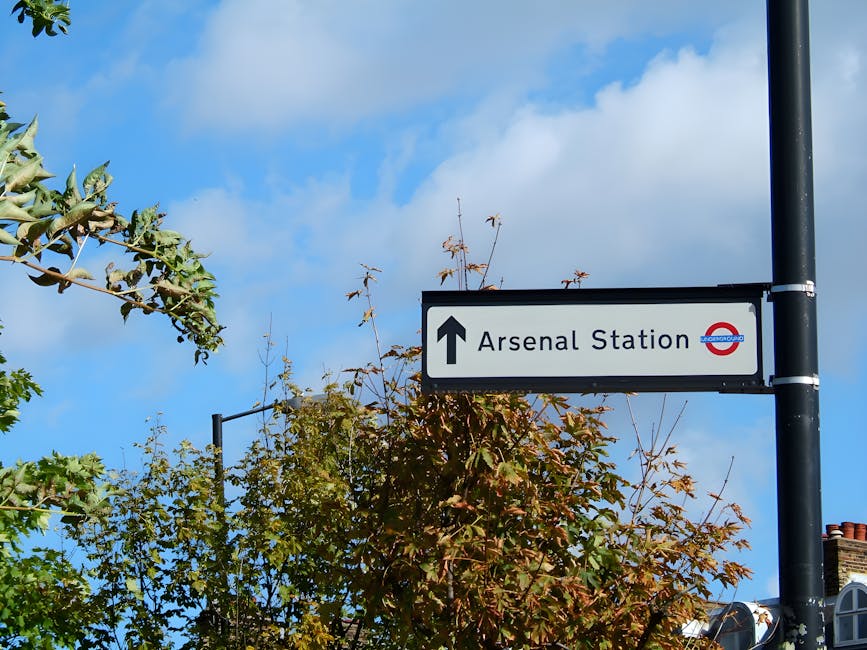
If you have ever tried to move a sofa, a wardrobe, or even a stack of boxes through a tight Islington street, you already know the problem. The van is there, the crew is ready, but the road is narrow, parking is awkward, and the building entrance feels like it was designed in another century. That is exactly where Access issues on narrow Islington streets removals solutions become more than a nice-to-have. They are the difference between a calm moving day and a long, frustrating one.
Islington is a brilliant place to live, but let's face it, many of its roads are not built for oversized vehicles or last-minute loading plans. In this guide, we break down what access problems actually mean, how good removals teams handle them, and what you can do to make the whole process smoother. You will also find a practical checklist, a real-world example, and a few smart links to related services and planning pages where it makes sense.
- Why this matters
- How the solution works
- Key benefits
- Who needs this
- Step-by-step guidance
- Expert tips
- Common mistakes
- Tools and resources
- Compliance and best practice
- Comparison of options
- Real-world example
- Practical checklist
- Conclusion
- Frequently asked questions
Why Access issues on narrow Islington streets removals solutions Matters
Access problems are not just an inconvenience. They affect timing, labour, safety, and cost. On a narrow street, a mover may not be able to park directly outside the property. That means longer carry distances, more trips, more lifting, and a higher chance of delays if the plan is too optimistic.
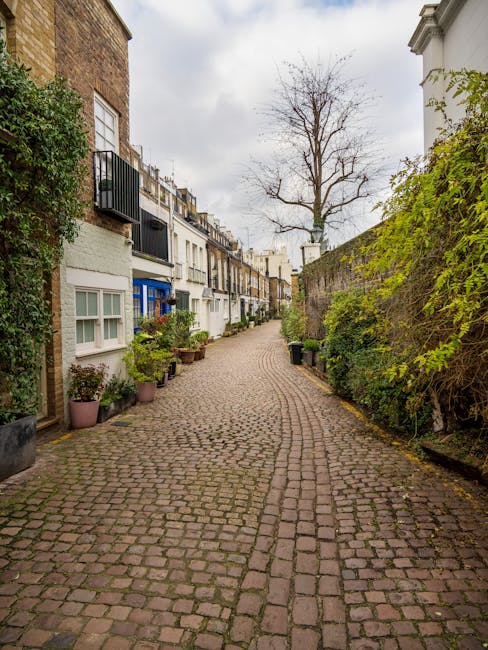
In Islington, the challenge is often a combination of factors: tight one-way streets, limited waiting space, terraced homes with front steps, basement flats, upper-floor walk-ups, and parking restrictions that leave very little room for error. A move that looks straightforward on paper can become complicated fast once a large van meets a cramped street at 8:30 on a weekday.
This is why access planning matters so much. It is not about making the move sound difficult. It is about being realistic before the boxes are loaded. Good planning avoids the classic moving-day surprise: the van arrives, everyone looks around, and somebody says, "Right... where exactly do we put this?"
For landlords, tenants, homeowners, and office managers, access awareness also protects belongings. The fewer unnecessary lifts and turns, the lower the risk of bumps on walls, scuffed door frames, strained backs, or fragile items being damaged. If you are comparing options for a local move, it is worth looking at the wider service mix too, including removal services in Islington and more specific help such as flat removals in Islington or house removals in Islington.
How Access issues on narrow Islington streets removals solutions Works
A proper access solution starts before moving day. The removals team usually looks at the property type, street layout, parking conditions, load-in route, and the sort of items being moved. That might sound basic, but the difference between a smooth move and a messy one usually comes down to those details.
In practice, the process often follows a few simple stages:
- Access assessment - checking whether the van can park nearby, whether there are stairs, gates, tight corners, or long carry distances.
- Vehicle selection - choosing a vehicle that fits the route and the parking reality rather than just the total volume of items.
- Loading strategy - placing items in the van in the right order so that the heaviest or most urgent items can be removed first at the other end.
- Item preparation - disassembling furniture where needed, wrapping delicate items, and making sure boxes are clearly labelled.
- On-street execution - moving items safely from property to van using a route that avoids hazards, tight turns, and pointless back-and-forth.
For some jobs, the best answer is a smaller vehicle. A larger van might not be able to stop close enough to the property, which can actually slow things down. That is why a service such as man with a van in Islington can be a practical choice for tight access and shorter moves. For others, a more structured option like man and van in Islington or man and a van in Islington may give the right balance of flexibility and manpower.
There is also a simple truth here: access planning is really about reducing friction. The less friction in the move, the less stress for everyone involved. And yes, that includes the person carrying the third box of books up the stairs while thinking about why books always seem to get heavier in groups.
Key Benefits and Practical Advantages
When access is handled properly, the benefits are immediate and very noticeable. You get fewer delays, lower risk, better coordination, and a move that feels organised rather than improvised.
- Less carrying distance: If the van can park sensibly, crews spend less time walking items back and forth.
- Reduced damage risk: Fewer awkward turns in tight hallways and stairwells means less chance of scratches, dents, or dropped items.
- Better time control: A realistic access plan helps the job stay on schedule, especially where road space is limited.
- Lower physical strain: Shorter carry routes and better lifting methods reduce the chance of injuries.
- Clearer pricing expectations: Access difficulties can affect labour time, so planning in advance makes quotes more accurate.
There is also a hidden benefit people often overlook: peace of mind. When you know the access plan is sensible, the whole day feels less chaotic. You are not standing by the window wondering if the van will fit. You are not having to renegotiate the whole move on the pavement while neighbours pass by with shopping bags and a mildly confused expression.
For some customers, a combined approach works best. Packing support can help reduce the number of loose items and make the load more manageable. If you are still at the preparation stage, take a look at packing and boxes in Islington for a practical way to reduce handling problems before the van even arrives.
Who This Is For and When It Makes Sense
This topic matters to far more people than you might think. Narrow access is not only a problem for top-floor flats with impossible staircases. It affects all sorts of moves across Islington.
- Flat movers who live on busy residential streets with no direct parking outside.
- Homeowners moving from terraced properties, basement homes, or properties with small front gardens or narrow gates.
- Students shifting into compact spaces with awkward access or shared entryways.
- Office managers moving equipment, filing, and furniture into buildings with limited loading options.
- People moving at short notice who have to work around whatever parking or access is available on the day.
It also makes sense for anyone moving bulky or awkward items, even if the rest of the move is modest. One piano, one large wardrobe, or one oversized sofa can change the whole access picture. That is where specialist handling matters. If your move includes fragile or oversized items, it may be sensible to read more about furniture removals in Islington or even piano removals in Islington.
Some people only realise access is a problem after they have already booked the van. That is the awkward bit, to be fair. But if you already know your street is tight, your building is stair-heavy, or your parking is uncertain, planning ahead gives you a much better result.
Step-by-Step Guidance
If you want the move to go well, here is a practical approach that works in the real world. Nothing fancy. Just the stuff that helps.
- Walk the route from front door to van space. Look for steps, low railings, sharp corners, narrow gates, shared entrances, and places where two people cannot pass each other easily.
- Measure the large items. Sofas, beds, wardrobes, and desks are the usual troublemakers. If it will not turn the corner, it has to be dismantled or moved a different way.
- Think about parking honestly. Not "technically possible." Honestly. If a standard van cannot stop safely outside, say so early.
- Label items by priority. First-night boxes, fragile items, and essential documents should be easy to reach, not buried somewhere under a mountain of blankets.
- Prepare the building. Clear communal corridors, protect floors if needed, and warn neighbours where appropriate so the route stays open.
- Choose the right removals format. For a small or tightly accessed move, a smaller and more agile setup may work better than the biggest van available.
- Build in a time buffer. Narrow streets rarely run to plan. A little extra time is not pessimism; it is just good sense.
Here is a detail that is often missed: moving day does not begin when the van arrives. It begins when the route is planned. If you get the route right, nearly everything else becomes easier.
For urgent jobs or tighter schedules, a same-day service can sometimes help, especially if access constraints are already understood. See same day removals in Islington for situations where timing really cannot slip. And if the move is very rushed, this guide to emergency same-day removals gives useful context on avoiding delay.
Expert Tips for Better Results
These are the small decisions that often make the biggest difference. In our experience, the moves that feel calm are usually the ones where somebody has thought about the boring details early. Boring details win, annoyingly enough.
- Use smaller loads when access is tight. Fewer oversized stacks are easier to carry, safer on stairs, and simpler to organise in the van.
- Take photos of awkward access points. A quick photo of a stairwell, entrance, gate, or parking position can help a removals team plan properly.
- Disassemble what can be disassembled. Bed frames and flat-pack furniture are often easier to move in pieces. It sounds obvious, but people forget.
- Keep hallways clear on both sides. Shoes, plants, bins, bikes, and random boxes all become problems once lifting starts.
- Separate delicate items early. Glass, screens, artwork, and antiques should not be part of the general rush.
- Check whether storage helps. If the access is too tight for a single clean move, temporary storage can reduce stress and split the job into manageable parts.
For people weighing up different moving setups, it can also help to compare service levels and flexibility. A more specialised team may be better for access-heavy jobs than a general option. If you are still exploring, take a look at removal companies in Islington alongside the broader services overview to see how the different options fit real access needs.
One more thing: if your building has residents who come and go frequently, choose a move time that avoids the peak shuffle. Mid-morning can be better than the school-run chaos of early day, though every street has its own rhythm.
Common Mistakes to Avoid
The good news is that most access-related problems are preventable. The bad news is that people keep making the same mistakes. Not because they are careless, but because moving is a bit of a mental jumble and small details get pushed aside until it is too late.
- Assuming the van will "just fit". This is the big one. A van that fits in theory may still block traffic, overhang awkwardly, or be impossible to use safely.
- Underestimating stair impact. Even a short flight of stairs can change the labour time quite a bit if you are moving heavy furniture.
- Leaving packing until the morning of the move. That tends to create clutter, confusion, and rushed lifting.
- Forgetting communal access rules. Some flats have shared entrances, controlled entry, or awkward lift timings that need planning.
- Booking the wrong vehicle size. Too big can be as problematic as too small. The goal is fit, not just capacity.
- Not mentioning bulky items in advance. If the movers do not know about the sofa bed or piano, they cannot plan for it properly.
Truth be told, the most expensive mistake is often the simplest one: not describing the access properly when requesting a quote. A good estimate depends on real conditions, not best guesses. If you want to understand how pricing is shaped, it is worth reading pricing and quotes and, for a useful caution on budgeting, avoiding hidden costs in Islington removals.
Tools, Resources and Recommendations
You do not need a van-load of special equipment to manage a tight move, but a few practical tools can really help. Most of them are simple, and frankly that is why they work.
- Furniture blankets and protective wraps for doors, stair rails, and valuable items.
- Strong tape and labels so boxes stay closed and easy to identify.
- Trolleys or dollies where floor surfaces and route width allow them.
- Measuring tape for checking doorways, hallways, and large items before the day.
- Clear photos of access points to share with the removals team before moving day.
- Temporary storage for staggered moves or awkward timing.
For customers who want a bit more reassurance about the company side of things, a trusted removals provider should be transparent about how they work, how they handle payments, and how they approach safety. You can review practical information through pages like insurance and safety, payment and security, and about us.
It is also sensible to think about sustainability. If a move involves packing materials, unwanted furniture, or items that no longer need to travel with you, ask how waste is handled. The link between access planning and waste reduction is bigger than people think. A more organised move creates fewer broken boxes, fewer repeat trips, and less mess. That matters.
If you are moving out of a flat and need to free space first, a storage option can make the whole process much easier. In some cases, splitting the move over a day or two is the calmest choice. Not glamorous, but calm.
Law, Compliance, Standards, or Best Practice
For access-sensitive removals, the key is not to overcomplicate the legal side, but to respect the practical rules that protect people and property. In the UK, movers and customers are both expected to take reasonable care around loading, lifting, vehicle safety, and access to shared spaces. That usually means clear communication, safe handling, and sensible planning.
Best practice typically includes:
- Safe manual handling so heavy or awkward items are lifted with care, not rushed.
- Clear risk awareness for stairs, narrow corridors, wet surfaces, and poor lighting.
- Vehicle suitability for the street and loading conditions rather than just the item volume.
- Respect for shared buildings such as flats, conversions, and office spaces.
- Transparent service terms so expectations are clear before the job begins.
It also helps to choose a company that treats safety as part of the service rather than an afterthought. That is where internal policies matter. If you want a better sense of how a provider approaches the work, pages like health and safety policy, terms and conditions, and complaints procedure can offer useful reassurance without the fluff.
One caution: if access is especially tight, do not assume every item can be carried safely in its current form. Sometimes the right answer is dismantling, repositioning, or moving in stages. That is not a failure. It is good judgement.
Options, Methods, or Comparison Table
Different moves need different approaches. Here is a simple comparison of common methods for Islington access problems.
| Method | Best for | Strengths | Limitations |
|---|---|---|---|
| Large van with full crew | Larger houses or bigger loads where street access is manageable | Higher capacity, fewer trips, good for fuller moves | Can struggle on tight roads or with limited parking |
| Man with a van | Smaller moves, tight streets, short-distance transport | Agile, practical, easier to position on narrow roads | May need multiple trips for bigger loads |
| Flat-focused removals | Upper-floor flats, conversions, and compact homes | Better stair handling and route planning | Not always ideal for larger house moves |
| Staged move with storage | Awkward timing, access bottlenecks, renovations | Reduces pressure and splits the job into manageable parts | Requires an extra step and a little more organisation |
If you are not sure which route suits your move, think less about "best" and more about "most realistic." On a narrow Islington street, realism wins every time. Usually, the smoother option is the one that matches the property rather than the one that sounds biggest on paper.
Case Study or Real-World Example
Here is a typical local scenario. A couple moving from a first-floor flat near a narrow residential road in Islington had a sofa, a bed frame, six heavy boxes of books, and a dining table that would not pass the stairwell corner in one piece. Parking outside was possible only for a short window, and the street was already busy by mid-morning.
Rather than turning the day into a guessing game, they planned the access in advance. They shared photos of the entrance, explained the stair width, and made sure the furniture was partly dismantled before the team arrived. A smaller vehicle was used, and the loading was staged so that the most awkward pieces came out first. One of the boxes was moved separately because, as everyone admitted, it was full of books and therefore bizarrely heavy.
The result was not magical. It was just organised. The move still took care and attention, but it avoided the usual stress points: no blocked entrance, no frantic last-minute rearranging, no surprise arguments about whether the wardrobe would "definitely fit if we tilt it more." That last line is the classic, and it rarely ends well.
For people in nearby neighbourhoods, the same approach works across different local conditions. If you are comparing access challenges across routes or property types, related reading like moving from Canonbury to Highbury and man and van for Barnsbury estates can help you think more strategically about local movement patterns.
Practical Checklist
Use this checklist a day or two before the move. It is simple, but it catches the important stuff.
- Confirm the property type and floor level.
- Measure the widest doorway, stair bend, or gate on the route.
- Check whether parking is possible close enough for safe loading.
- Tell the removals team about bulky, fragile, or awkward items.
- Disassemble furniture where needed.
- Pack and label boxes clearly.
- Keep the hallway, landing, and entrance clear.
- Arrange lift access or building permissions if relevant.
- Prepare floor and wall protection for tight areas.
- Set aside essentials for the first night.
- Have a backup plan if parking or access changes on the day.
- Build in extra time, because narrow streets often do their own thing.
Expert summary: The best access solution is usually not the most expensive one or the biggest one. It is the one that matches the street, the building, the items, and the timing. On narrow Islington roads, that practical fit is what keeps the move calm and safe.
Get a free quote today and see how much you can save.
Conclusion
Access issues on narrow Islington streets do not have to derail a move. Once you understand the route, the parking, the building layout, and the size of the items, the whole job becomes much more manageable. The solution is rarely dramatic. It is usually a careful mix of the right vehicle, honest planning, sensible packing, and a team that knows how to work in tight spaces without making things feel rushed.
If you are moving soon, start with the access question before anything else. Not the boxes. Not the van. Access. That one decision shapes almost everything that follows. And if you get it right, the day tends to feel lighter, calmer, and much more under control. Which, on a narrow Islington street, is worth quite a lot.
![Professional Movers Services at Unbeatable Prices in [LOGO_TITLE]](../../pub/actonmovers-banner.png)